70 per cent saving on telephone costs
How 14 surrounding local authorities are digitising their telecommunications whilst improving their services to residents.
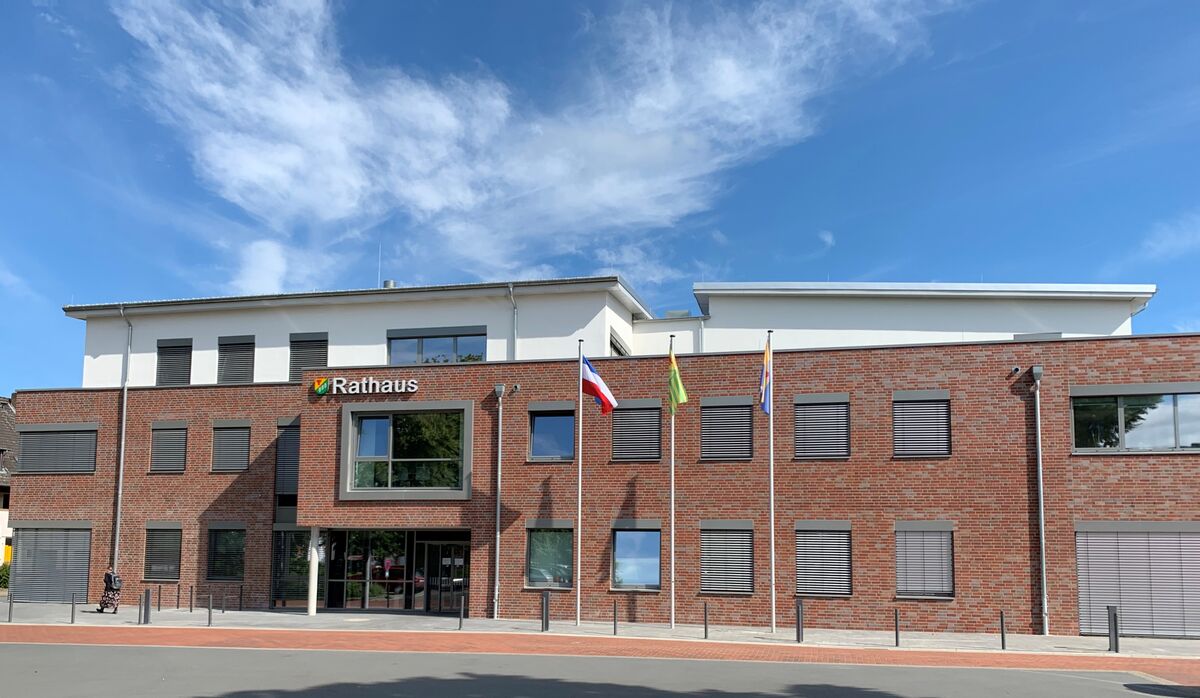
It was a desperate situation: just as the coronavirus outbreak began, the old telephone system broke down. René Schmidt still remembers that week in spring 2020 vividly. In the IT department of the Kropp-Stapelholm local authority in Schleswig-Holstein, the phones had gone completely silent. “Staff were sent to work from home, and we had to be reachable by telephone again within days,” recalls the IT expert at the local authority, which administers 13 other surrounding municipalities alongside the municipality of Kropp – from Alt Bennebek via Meggerdorf to Wohlde.
Fortunately, as a result of the local broadband roll-out, the municipality already had its own digitalisation plans on the agenda. This meant there were now 20 telecoms providers to choose from. “But only one had the right solution for our decentralised structures,” explains Schmidt. Until then, all 47 properties – from nurseries and libraries to building yards – had their own telephone lines, mostly with individual contracts and, in some cases, with different providers.
“We wanted to consolidate and simplify these structures,” says Schmidt. Ultimately, peoplefone Germany had the right solution: a contract into which all telephone numbers could be ported. This was broken down into 47 lines – one for each property. The potential savings are enormous. Thanks to the new model, telephone costs fell by 70 per cent, or 12,000 euros, per year.
What’s more, the administrative departments no longer face any limits. Previously, for example, if 16 lines were in use simultaneously in Kropp, further callers would hear a busy signal. “That’s now a thing of the past,” says Schmidt. Instead, the new virtual telephone system routes calls to available colleagues. A pre-installed query system also distributes telephone enquiries from members of the public to the relevant department.
Instead of being put through to a switchboard, callers with enquiries about fishing, moving house or getting married are directed straight to the relevant department. Furthermore, colleagues within the administration are better connected. Experience has shown that there is a great deal of coordination and back-and-forth communication required between the administration, schools and citizens’ advice bureaux across this large region. Staff use 10,000 minutes of call time per month, with an average of 3,000 internal and external calls taking place during this period. The new combination of telephone system and provider can even send faxes. The district administration, with its 60 employees, receives at least two to three faxes per month.
Billing has also become simpler as a result. Instead of having to check and monitor several contracts, a digital invoice from peoplefone now lands on Schmidt’s desk. This is allocated to the various properties using a general allocation formula. Access to the provider’s portal also makes the work easier. Here, Schmidt can manage all the lines. The only time contact with peoplefone is needed is to set up new phone numbers.
Four years ago, the first lines were up and running within four days. The best bit is this: if you’re working from home, calls to your office line are simply forwarded to your home – at no extra cost. Incidentally, calls are billed by the minute. To cover this, the local council purchases call packages consisting of 1,000 landline minutes and 700 mobile minutes. Only a minimal excess is charged per minute at the end of the month. “This gives us full cost transparency,” says Schmidt. And that’s in advance, not after the event.